

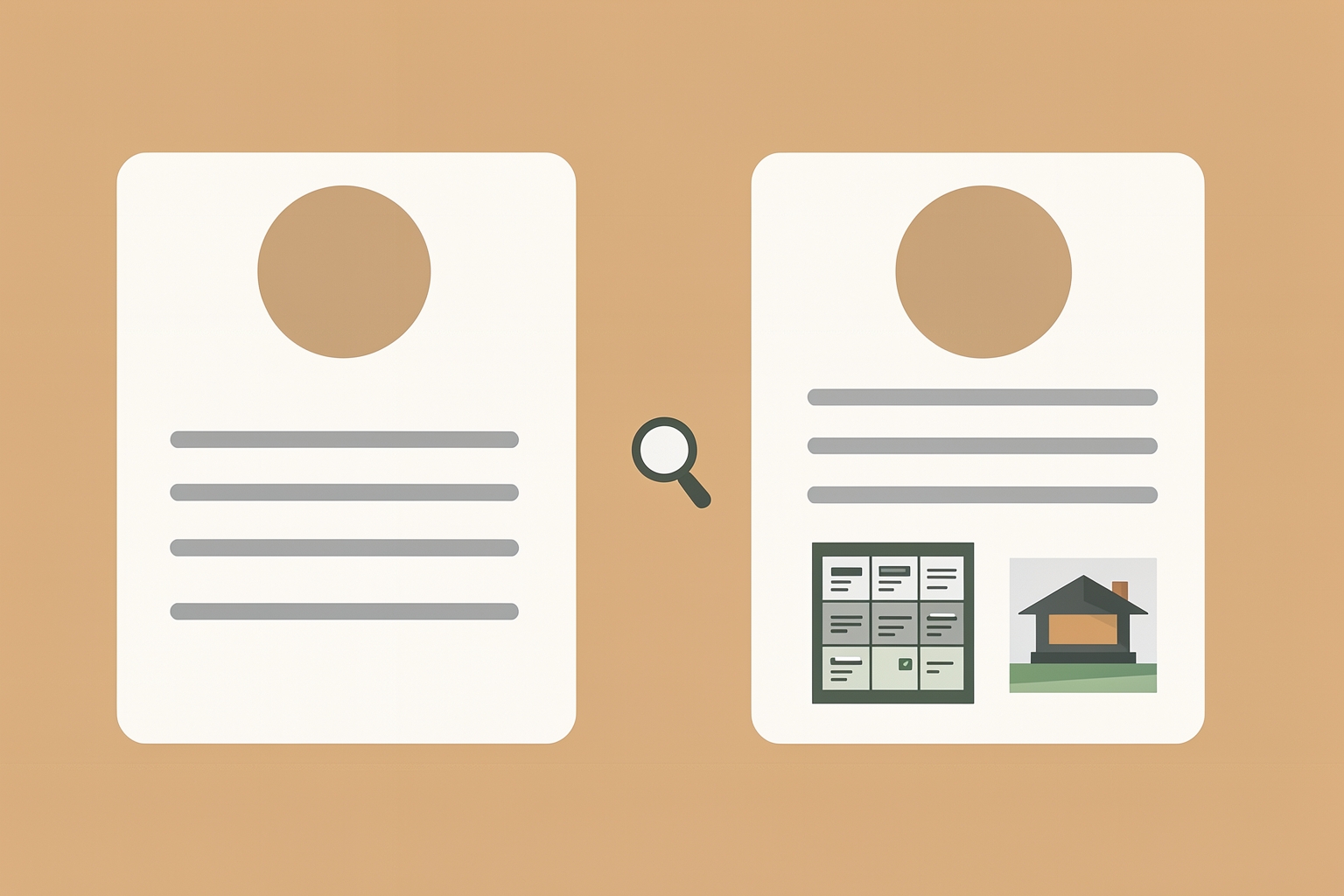
What a profile can and cannot tell you
Scrolling through co-founder profiles can feel like online dating: dozens of faces, short bios, and no idea who is actually worth your time.
The good news is that a profile tells you more than it first appears to.
You just need a repeatable way to read it.
This guide gives you a practical checklist for evaluating a candidate profile before you send that first message, so you spend outreach effort only on people worth meeting.
Co-founder matching platforms exist precisely because this decision matters.
Y Combinator launched its matching platform because finding a compatible co-founder who is ready at the same time you are is genuinely hard YC co-founder matching platform.
As context for why teams matter, YC reports that only four of its top 100 companies came to YC without a co-founder.
It also encourages matched founders to work together on a time-boxed trial project before committing.
The screening you do before reaching out is the first step in that longer process, not a substitute for it.
A profile is a self-published summary.
It can tell you what someone wants you to know: their skills, stated interests, availability, and what kind of project they say they want.
That is genuinely useful for a first filter.
What it cannot tell you is how the person behaves under pressure, how they handle disagreement, or whether their claims hold up in practice.
YC itself compares co-founder matching to dating and warns that one video call is not enough to decide, let alone a profile the same YC announcement.
So treat profile review as triage: your goal is to decide who is worth a conversation, not who is worth a partnership.
Start with stated intent and availability
Before skills or background, check whether the person wants what you want.
Mismatched intent is a common reason promising profiles go nowhere.
- Commitment level. Are they full-time, part-time, or exploring? If you are quitting a job to build and they want a side project, that gap will surface quickly. If you are unsure about your own commitment, it is worth resolving first; our guide on finding a co-founder before quitting your job walks through that decision.
- Stage alignment. Do they want to start from an idea, join something already moving, or contribute to a specific project? Someone looking for a finished team is a different candidate from someone exploring ideas.
- Timeline. Some profiles signal urgency, others signal patience. Neither is wrong, but a mismatch creates friction later.
If intent is unclear from the profile, that is not automatically a dealbreaker.
It is a question for your first message, which is a reason to reach out, not skip.
Read the skills section for evidence, not labels
Most profiles list skills as words: “developer,” “marketer,” “product.”
Labels are cheap.
What you want is any hint of evidence behind them.
Look for specifics: named projects, links to work, a portfolio, a GitHub profile, writing, or a description of what they actually did on something.
A profile that says “built and shipped two side projects” gives you something to verify.
A profile that lists fifteen technologies with no output attached gives you nothing to check.
If the profile links to a code portfolio, spend a few minutes on it before messaging.
We wrote a full guide on how to read a GitHub profile before collaborating.
The short version: look for recent activity, finished work, and how they describe their contributions.
One caution: absence of links is not proof of absence of skill.
Many capable people, especially in operations, sales, or community roles, have less public work.
In that case, note it as a gap to explore in conversation rather than a reason to skip.
Check complementarity, not similarity
A common mistake is filtering for people who look like you: same background, same interests, same skills.
Teams usually need complementarity.
If you build, look for someone who sells, operates, or understands customers, and vice versa.
Ask yourself three questions while reading:
- What role would this person realistically play on my team?
- What would they own that I cannot or should not own?
- Is there overlap in the areas where we both claim strength, and does that overlap matter?
Some overlap is fine, especially in early days when everyone does everything.
But if a profile reads like a mirror of yours, the partnership may add comfort rather than capability.
That is a tradeoff to weigh consciously, not automatically reject.
Look for signals of how they work
Profiles occasionally reveal working style, and those signals are worth more than credentials.
- Specificity. People who write concretely (“led onboarding redesign for a tool with a small user base”) tend to communicate concretely. Vague profiles sometimes reflect vague thinking, though not always.
- Build in public traces. Someone who shares progress openly, in posts, repos, or updates, is easier to evaluate and often easier to work with. If you are deciding whether to share your own progress, see our piece on building in public before finding a co-founder.
- Realistic framing. A profile that acknowledges open questions or unfinished work can signal honesty. A profile that promises everything can signal either ambition or inflation; you cannot tell from the profile alone, which is exactly why the vetting stage exists.
Red flags worth pausing on
None of these are automatic disqualifiers, but each one justifies caution or a probing question:
- Idea ownership stated aggressively (“looking for someone to execute my vision”) with no interest in your input.
- A long list of past ventures with no outcomes, lessons, or artifacts attached.
- Commitment language that shifts between full-time and “seeing what happens.”
- No verifiable trace at all: no links, no named projects, no public work, combined with big claims.
- Requests that move straight to equity or legal terms before any working relationship exists.
When you see one red flag, treat it as a question to ask.
When you see several, the expected value of reaching out drops, and skipping is a reasonable choice.
Knowing when to skip is part of good filtering, not rudeness.
A quick pre-outreach checklist
Here is the whole method compressed into a pass you can run in a few minutes per profile:
- Intent: Do their commitment level, stage, and timeline plausibly match yours?
- Evidence: Is there anything verifiable behind the skill claims?
- Complementarity: What would they own that you cannot?
- Working signals: Does the profile show specificity, honesty, or public traces of work?
- Red flags: Are there patterns that need direct questions before any commitment?
- Open questions: Write down two or three things the profile cannot tell you. These become your first-message questions.
If a profile passes at least the first three, reaching out is justified.
If it fails the first three, skip or deprioritize.
Everything else is conversation material.
From profile review to first message
Once you decide to reach out, reference something specific from their profile.
A message that shows you actually read their work gets better responses than a generic hello, and it immediately tests whether their profile matches reality.
Keep the first message short: who you are, what caught your attention, and one open question from your checklist.
Remember that the profile is step one of a longer vetting path.
YC recommends matched founders meet before committing, following YC’s guidance on vetting co-founders.
When appropriate, they should work together on a time-boxed trial project with clear expectations.
Your profile review simply decides who earns a spot in that process.
When a conversation starts going well, prepare for the deeper stage.
Our guides on questions to ask before committing and what to show each other before committing cover what comes after the first reply.
If you are still shaping the project itself, choosing the right small first project matters as much as choosing the person.
See how to choose the right small project before you commit.
The bottom line
Evaluating a co-founder profile is not about finding a perfect person on paper.
It is about filtering for plausible fit and gathering the questions that make your first conversation useful.
Check intent, look for evidence, weigh complementarity, note red flags, and then reach out with specifics.
The profile gets you to the table; the trial work together tells you the rest.
Take the next step with Ideoreto. Use the ideas in this guide as a starting point for your next project.
Register for Ideoreto to get started.